

Best Life Mental
Wellness Toolkit
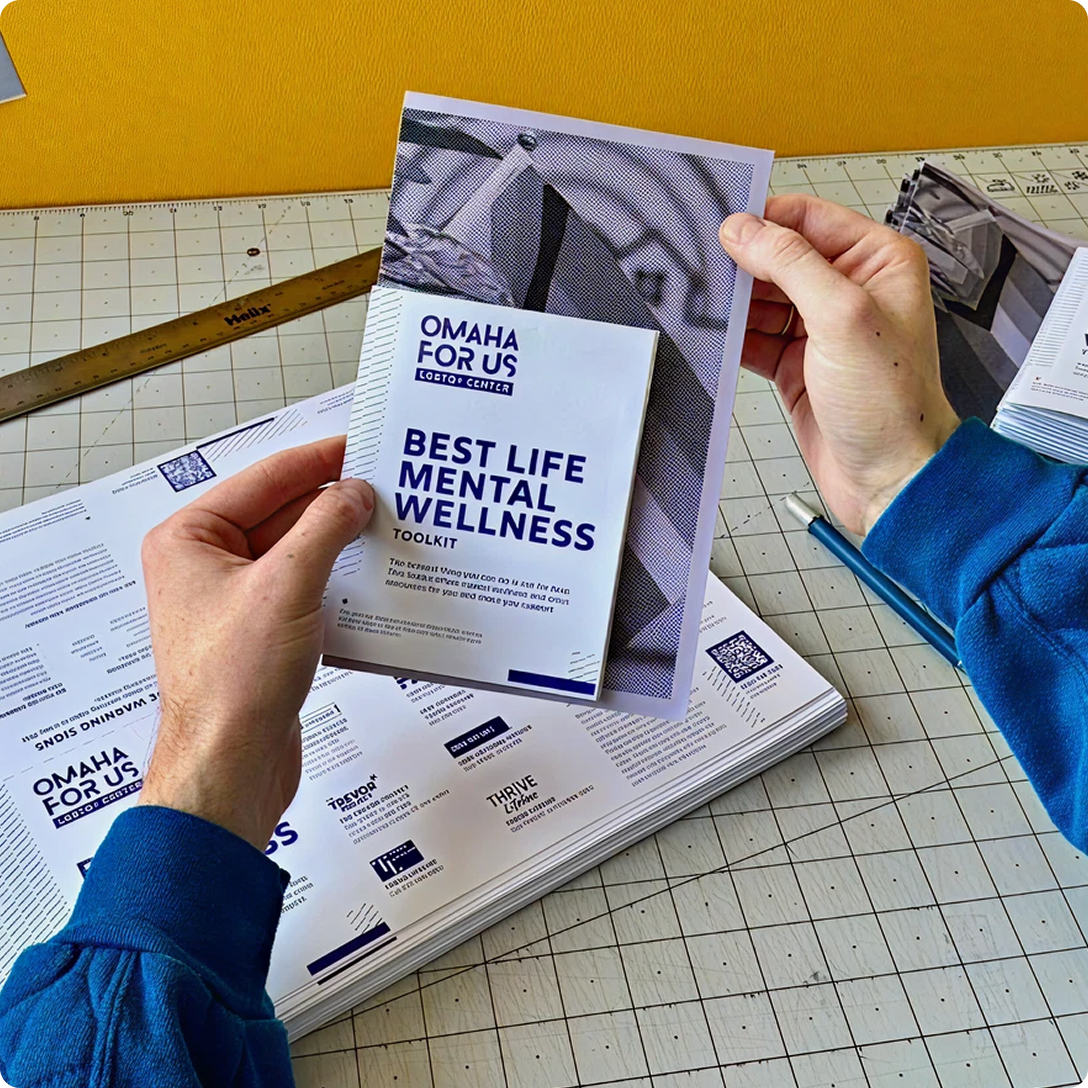
The bravest thing you can ever do is ask for help. This toolkit offers mental wellness and crisis resources for you and those you support. This does not replace professional mental health services, but it can serve as one of many tools when considering or waiting for these services.
This toolkit begins with mental health resources that are followed by suicide prevention resources. If you need specific help, click any of the links below to jump to a section.
We encourage you to bookmark this page for future reference. If you'd like a PDF, click "CTRL + P" on your keyboard to open the print menu and save as a PDF. Be sure to first open the accordion sections below to download all page content.
Crisis lines
If you or someone you care about is experiencing a mental health crisis or suicidal thoughts, contact these free, confidential crisis lines. Connect with caring, trained professionals who are ready to listen, provide support, and refer you to resources.
Omaha ForUs is a crisis center, and we do not own or operate any of these crisis lines.

National Suicide
& Crisis Lifeline
Call or text 988
Press 1 for veterans
Press 2 for Spanish
The Trevor Project
Text “START” to 678678
or call 1-866-488-7386
Note: Specializes in ages 25 and under.

Trans Lifeline
Call 877-565-8860
Note: Trans Lifeline hours are Monday
through Friday, 12-8 p.m. CT.

Crisis Text Line
Text START to 741741

LGBT National Hotline
Call 888-843-4564 for adults
Call 800-264-7743 for youth

Thrive Lifeline
Text “THRIVE” to 1-313-662-8209

Mental health FAQs
It’s normal for people to feel uncomfortable talking about mental health or suicide. Talking helps reduce the stigma, and it’s the first step toward seeking help, avoiding crisis, and recovering. Thank you for taking the time to learn more.
People with LGBTQ+ identities face disproportionate mental health challenges such as anxiety, depression, and suicidal ideation. This is not due to LGBTQ+ identity but rather the increased stigma, discrimination, family rejection, trauma, and other risk factors resulting from institutional and cultural biases that put LGBTQ+ people at increased risk.
Risk factors which put someone at risk for negative mental health outcomes or suicide include, but are not limited to, social isolation, low self-esteem, substance use, depression, anxiety, co-occurring mental health issues, and public policy. School, cyber, or workplace bullying can also increase risk and may reinforce harmful self-image, stigma, and/or discrimination.
Among LGBTQ+ adolescents, depression and hopelessness are the most significant risk factors for suicidal behavior. Nearly 70% of LGBTQ+ youth reported feeling sad or hopeless for at least two weeks in the past year.
Higher rates of depression, anxiety disorders, and substance use disorders have been shown to heighten risk for suicidal behavior among LGBTQ+ people of all ages. Stigma, victimization, and discrimination based on LGBTQ+ identity clearly contribute to mental health challenges — and can develop into suicidal ideation and suicide attempts in LGBTQ+ people.
Mitigating and preventing negative experiences can decrease risk for LGBTQ+ people. The 2023 U.S. National Survey on the Mental Health of LGBTQ+ People by The Trevor Project reported that trans and nonbinary young people whose pronouns were respected by all people they lived with reported lower rates of attempting suicide, while less than 40% of LGBTQ+ young people found their home to be affirming.
The Family Acceptance Project has found that LGBTQ+ people experiencing more family accepting behaviors are three times less likely to think about or attempt suicide, are at a reduced risk for depression and substance use, and have a greater chance for positive well-being. Family accepting behaviors include:
• Supporting, being open about, and being proud of your family member’s LGBTQ+ identity
• Learning about, teaching about, and defending a family member’s identity within social circles
• Connecting them to resources that include LGBTQ+ identities
There are many things someone can do to support their mental health.
Caring for physical needs is an important first step. While this may look different for each person, getting adequate rest and nourishment, participating in physical and mentally engaging activities, and seeking medical care for physical health issues are all beneficial.
Social relationships are also important. Have honest conversations about mental health with supportive individuals, find purpose, and build connections to improve mental health or mitigate a mental health crisis. Sharing mental health experiences with others can help process strong emotions, identify concerns, and form a support system. This SAMSHA guide for “asking for help” provides some tools for deciding who to talk to, when to talk, and what to share with them.
LGBTQ+ affirming connections that encourage help-seeking and provide support can help us feel safe and less alone. Affirmation and connection with shared identities contribute to a sense of belonging and hope. Omaha ForUs' support groups and events are a great way to connect with LGBTQ+ folks in Omaha.
Being proactive about your mental health is essential. During a crisis, it can be difficult to access coping skills. For people who have more risk factors, it’s important to engage with care when not in crisis. Focus on developing and practicing coping skills, self-care strategies, and a safety plan to be prepared for, or even prevent, a crisis.
With trauma comes resilience. Practicing gratitude and finding purpose, even during mental health struggles, nurtures our protective factors, which are critical for enduring and overcoming challenges. Examples of protective factors include social support, LGBTQ+ identified and affirming role models, LGBTQ+ safe environments, and healthy coping mechanisms. Reflect with gratitude on any protective factors that have supported your journey thus far and think about ways you can be a protective factor for someone you know.
Some early signs of mental health problems include:
• An increase in anxiety, depression, emotional outbursts, sleep problems, appetite differences
• Substance use/misuse
• Apathy, feeling hopeless, feeling like a burden, anger
• Withdrawal from work, family, friends, or other social activities
• Mood swings or any unexplained changes in feelings and behaviors which significantly interfere with your ability to be happy or hopeful
Monitor thoughts, feelings, and behaviors of yourself and those you care about, and if any of the above signs are prevalent, you could benefit from seeking mental health support.
We all have bad days, but if these symptoms are continually interfering with your life, persisting for more than two weeks, you should reach out to a health care provider.
If you or someone you love is having thoughts of suicide, contact 988 or another crisis line to get immediate help.
Reaching out for help when facing a mental health challenge is the bravest thing you can do. If you’re unsure how to ask for help, SAMHSA provides guidance.
If talking to an affirming family member or friend is not an option, other options include:
• 24/7 LGBTQ+ affirming crisis lines, listed at the top of this web page
• Online support groups, in-person support groups or therapy. Check out Omaha ForUs’ therapy and support group opportunities.
You are not alone. Reaching out for help when you are having thoughts of suicide can be overwhelming, but help is available, and hope is real.
• Contacting crisis lines is a great first step. Operators will work with you to make a plan to help you stay safe and access the help you need.
• If you can, tell someone you trust. They may be a friend, physician, therapist, teacher, relative, or other affirming adult. If that person does not respond the way you need them to, tell someone else. Not everyone is able to provide the help you need, and you deserve someone who can.
• Remove yourself from any method that you have considered using to end your life. Ask your support person to stay with you and remove anything you might use to end your life.
• While it can be tempting to self-medicate with drugs or alcohol, it reduces your ability to access the coping strategies you need during times of crisis.
• While it may feel like this moment of crisis will not pass, it will. Stay and get the help you need to move through this overwhelming time.
• If you have developed a safety plan, refer back to it. If you haven’t, ask the crisis line or a therapist to help you develop one.
• If you are unable to be in a safe environment, have already done something to cause your death, or are unable to find relief through coping strategies, call 988 or 911 immediately or go to your nearest emergency room.
Self Care
Coming out
The Trevor Project’s “Coming Out Handbook” is an accessible resource for youth (and all ages!) to explore what coming out means to them with tools and guiding questions.
Managing anxiety and stress
There are ways to manage anxiety, even if it feels out of control. The Anxiety & Depression Association of America provides tips, including coping strategies, exercise ideas and more.
Practicing grounding techniques
Grounding techniques help bring you back to the present moment. These techniques from the Depression and Bipolar Support Alliance aren’t intended to avoid negative thoughts and feelings forever. They can, however, help you delay processing an emotion until the time and place is right for you.
Connecting with community
Omaha ForUs has several support groups for LGBTQ+ youth, adults and their families to create connections and build hope. We also host events for expression, education, socialization and celebration. Check out our events calendar for upcoming opportunities.
Creating a safety plan
Mental health crises can happen without warning. When you or a loved one reaches a point of crisis, it can be difficult to communicate what needs to happen to ensure everyone’s safety and recovery.
That’s why taking the time to prepare a safety plan now can protect your well-being in the future. Share this plan with trusted individuals, whether it’s partners, friends, family, coworkers, mentors or others.
Download our editable, printable safety plan template adapted from the 988 Lifeline.
Safety plans aren’t one-size-fits-all. If you’d like to explore other templates, we also recommend Depression and Bipolar Support Alliance’s crisis plan.
Asking for help
If you’re having trouble with mental health or substance use, it can help to talk about it with someone you trust.
This is easier said than done, and it’s normal to feel scared or emotional about these topics. Talking to someone and asking for help is a sign of strength, not weakness. People who are close to you want to help.
Take the time to think about who you can talk to and what you might say to make the conversation easier and more productive. This advice is adapted from the Substance Abuse and Mental Health Services Administration (SAMHSA).
Omaha ForUs is here for you. If our mental health services are at capacity or are not the right fit for your needs, we are prepared to recommend additional LGBTQ+ affirming providers. Contact or visit us for more information.
We all want to feel supported and understood, especially when things seem out of control. When you talk to someone, make it clear what you need today.
Do you need help finding a health care professional or a support group? Do you need love and support? Or do you just need someone to listen? Tell them this up front.
It's important to talk to someone you trust and can speak openly with. Think through if the person can relate to your situation, if they're a good listener, and if they won't judge you. Consider reaching out to a family member, friend, religious or spiritual leader, health care professional, support group, or helpline, such as the 988 Lifeline.
Not everyone will be able to listen or help — keep reaching out until you find someone who will encourage and support you.
If you plan to talk one-on-one, find the right time to talk in a comfortable, private setting. If the person is in another location, ask them to find a space that is private, too. For example, if they live with others, including children, ask for a time when they're not at home.
Think about which option works best for you and the other person: in person, over the phone, or a video call. Set up a specific day and time to talk so you know they’ll be available.
Know what can keep you calm, and do it while asking for help. For example, you may want to go for a walk, be outside, or have a favorite item to hold. When you ask your friend or loved one to talk, you might say, “I’d like to talk to you about something that’s important and personal to me. When’s a good time?”
If you feel tense, take several deep, calming breaths. Remember that you’re important to this person.
When you talk, describe your feelings, thoughts, moods, and how your body feels. Give them a clear picture of your situation, and tell them what you need. Be as specific as you can.
Lots of people ask for help with:
• Finding a health care professional or program
• Finding a support group or local program
• Rides to appointments
• Emotional and moral support
If you’re not sure you’re ready for a full conversation yet, say so. Start small if you need to. For example:
• “Can I tell you about something that’s been troubling me?”
• “I’m feeling really lonely lately. Would it be okay if we set up time once a week to talk on the phone?”
• “I think it’s time for me to get help. Do you know any professionals who treat mental health?”
• “I’m having a hard time getting things done, could you help me call a few therapists to find one taking new patients?”
• “I’m having a hard time with my recovery. Do you know of any local support groups?”
If you talk to a health care professional, they will ask you questions to understand your needs. Answering clearly and honestly helps them help you. Learn what to expect from treatment.
You’ve taken a big step by asking for help. Take a moment to be proud of yourself for being strong. It’s normal to feel stressed, nervous, or tired after having such a personal conversation.
If the person is willing to help, reach out and thank them for their support and follow up on the things they can help with.
If the conversation didn’t go as well as you’d hoped, try again. Or consider talking to someone with a different viewpoint. People are all very different and can react in surprising ways. Their reaction shouldn’t stop you from getting help. Here are some steps you can take on your own, any time.
suicide warning signs
Suicide is the second leading cause of death among young people, with LGBTQ youth being four times more likely to seriously consider suicide, to make a suicide plan, and to attempt suicide versus their peers.
Learning the warning signs is an important first step in suicide prevention, whether those signs are displayed by ourselves or others. The Trevor Project shares these signs to help prevent a crisis.
If you answered “yes” to any of these questions, know that you’re not alone. Contact 988 or one of the crisis lines provided on this page. Trained counselors will help you find help and support for yourself or a loved one.
• Unimportant
• Trapped
• Hopeless
• Overwhelmed
• Unmotivated
• Alone
• Irritable
• Impulsive
• Suicidal
• Not care about their future: “It won’t matter soon anyway.”
• Put themselves down — and think they deserve it: “I don’t deserve to live. I suck.”
• Express hopelessness: “Things will never get better for me.”
• Say goodbye to important people: “You’re the best friend I’ve ever had. I’ll miss you.”
• Have a specific suicide plan: “I’ve thought about how I’d do it.”
• Talk about feeling suicidal: “Life is so hard. Lately I’ve felt like ending it all.”
• Using substances more than usual
• Giving away their most valuable possessions
• Losing interest in their favorite things to do
• Admiring people who have died by suicide
• Planning for death by writing a will or letter
• Eating or sleeping more or less than usual
• Feeling more sick, tired, or achy more than usual
Risk assessment
The Columbia Protocol, also known as Columbia-Suicide Severity Rating Scale (C-SSRS), can help you determine if a loved one is at risk for suicide and how to help.
If their answer to questions 2 or 3 in this assessment is yes, seek behavioral health care for further evaluation.
If their answer to questions 4, 5 or 6 in this assessment is yes, get immediate help. Call or text 988, call 911 or go to the emergency room. It’s important to stay with them until they can be evaluated.

Community resources
Beyond our mental health programs and services, Omaha ForUs host a clothing closet and food and hygiene pantry. Learn more about resources that support our community.